Last updated in 2022
University of Pittsburgh’s Nurse Anesthesia Program offers all of the assets and services of a large urban campus with the personal attention of a small program.
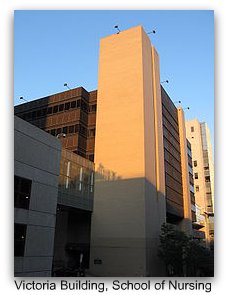
University of Pittsburgh
Nurse Anesthetist Program
School of Nursing
3500 Victoria Street
Victoria Building
Pittsburgh, PA 15261
Contact Information
John M O’Donnell, CRNA, MSN, DrPH, Program Director
ph: (412) 624-4860
fax: (412) 383-7227
email: napcrna@pitt.edu or jod01@pitt.edu
Quick Facts
CRNA Degree offered
Doctor of Nursing Practice (DNP)
Program Length
36 months, full-time
Credit Hours
86 credits
Starting Month
January
Application Deadline
1st deadline : February 15
2nd deadline : May 1
Entire Cost of CRNA School for University of Pittsburgh Nurse Anesthetist Program.
Tuition is calculated at the 2020-2021 rate. Tuition at most schools increases each academic year. Over the duration of the program, expect to pay a tuition that is 5% to 15% higher than what is shown here.
Cost of In State Tuition: $84,834
*Fees and expenses: $3,390
Grand Total: $88,224
Cost of Out of State Tuition:$1,01,310
*Fees and expenses: $3,390
Grand Total: $1,04,700
*This includes mandatory fees only.
University of Pitt Tuition Link
Class Size
Approximately 40
Apply through NursingCAS
CRNA Program Summary
Are you concerned that the University of Pittsburgh Nurse Anesthetist Program won’t give you the specific experiences or training you need to be a successful CRNA? Learn what standards CRNA Programs must meet in order to be accredited by the Council on Accreditation of Nurse Anesthesia (COA).
This CRNA program (as well as all others that are accredited by the COA) prepares you to take the CCNA certification exam at the conclusion of the program, allowing you to become a CRNA.
The curriculum design integrates the classroom and 47 anesthesia specialty credits for the whole program.
All anesthesia classes are during daylight hours and students’ clinical schedules are adjusted accordingly.
Clinical practice begins as two days/week in the third term and preparation sessions for the Certification Examination.
Specialty cases in cardiothoracic, neurosurgical, dental, organ transplantation, pediatrics, obstetrics, neonatal, burns and electroconvulsive therapy enrich the program.
A Skills Lab is available in the School of Nursing for workshops for specific procedures such as intubation, IV and regional anesthesia.
The School of Nursing has a human simulator center for the use of the students in the Nurse Anesthesia Program. Simulation is used to teach basic and team training. Read more about their state of the art, 16,000 sq ft simulation center here.
Program Requirements
Looking for something specific? Find CRNA schools categorized by their unique requirements.
Some CRNA schools require much more out of their applicants than others. See how the requirements at the University of Pitt compare to most CRNA school’s requirements.
CRNA Program Requirements
BSN:
Bachelor of Science in Nursing is required.
GPA:
3.0 or greater in BSN from an accredited program (ACEN, NLN, ACICS, or CCNE)
RN:
Unencumbered license as a registered professional nurse in the United States / Pennsylvania
Critical Care:
One year of full-time critical care experience within the past 5 years. You may apply if you are currently employed in ICU/critical care and will have the required experience before admission term.
Critical care experience should involve the following:
- Assessment of the critically ill and unstable patients
- Invasive hemodynamic monitoring
- Basic EKG interpretation
- Management of vasoactive infusions
- Care of ventilator-dependent patients
They do not accept as primary experience:
- Telemetry
- Neonatal ICU
- Operating Room
- *Post Anesthesia Care Unit (PACU or RR)
- *Emergency Room
*Exceptions can be considered if the PACU unit is also ICU overflow on a regular basis or has the patient acuity of an ICU, or if the ER is part of an integrated level one shock/trauma OR and ICU system.
Minimum GRE scores:
GRE Verbal & Quantitative sections ( competitive score), Analytical Writing ( ≥ 3) within the last 10 years (5 years preferred).
TOEFL:
minimum composite score of 100, with sub scores of 21 or higher.
Prerequisite Requirements :
A graduate-level statistics course with a grade B or better.
University of Pittsburgh Nurse Anesthetist Program

CRNA School’s Performance
Accredited CRNA Programs are reviewed regularly.
University of Pittsburgh Nurse Anesthetist Program was last reviewed in June 2020. It was given 10 years accreditation and will be reviewed again in May 2030. This shows that the program is very stable.
Pass Rate for CRNA Boards at University of Pittsburgh
NCE First-time test takers: 85% (2020)
National average : 84.8% (2019)
Attrition Rate: 2.6% (2020)
Employment Rate within 6 months: 97.4% (2020)
CRNA Salaries
An average nurse anesthetist salary in Pennsylvania.
Pennsylvania CRNA salaries are slightly lower than the national average with an annual mean wage of $174,240.
An average annual nurse anesthetist salary in the US is $181,040 (according to the Bureau of Labor Statistics 2019 study)
What makes the University of Pittsburgh’s CRNA school unique?
It offers all of the assets and services of a large urban campus with the personal attention of a small program.
Salaries pulled from Bureau of Labor Statistics
Did you find an error on this page? Please report it here
